
Configurators
Which companies benefit most from an online configurator?
Find out which companies an online configurator helps by simplifying product choice, bringing more specific inquiries and saving the sales team time.
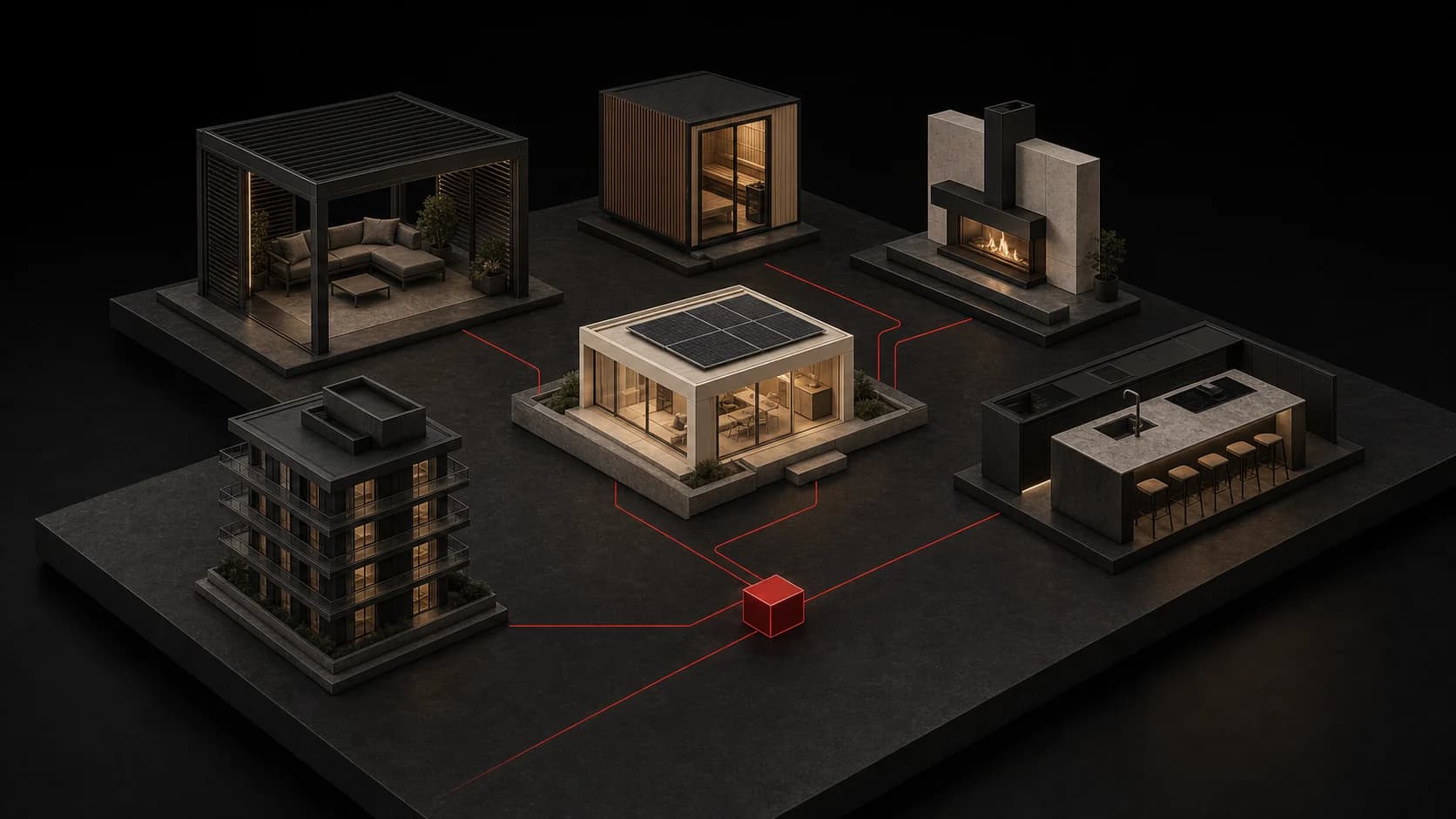
Contents
An online configurator can make choosing a product much easier, improve the quality of inquiries and save your sales team time.
But it isn’t right for every company.
It delivers the most value where customers choose from several options, the final product depends on a combination of parameters and the company keeps explaining the same things with every new inquiry.
If customers need to choose a model, dimensions, material, colour, add-ons or a technical specification, a configurator can move that process straight onto your website.
Visitors create their own solution and the company gets a more specific lead.
In this article, we look at which types of companies benefit most from an online configurator and how to tell whether it’s right for your product too.
When a configurator beats a classic form
A standard form asks the user for a name, email, phone number and a short message.
That can be enough for a simple service.
For a more complex product, however, the company gets very little information.
Customers often write only:
“I’m interested in a quote.”
The salesperson then has to find out:
- which model the customer is looking for,
- what dimensions they need,
- which material they prefer,
- which add-ons they want,
- where the product will be installed,
- what their budget is,
- which technical constraints need to be considered.
A configurator can ask these questions systematically before the first contact.
The visitor goes through the individual steps, sees the available options and sends a more precise inquiry at the end.
That’s why a configurator makes the most sense where the company needs more from the customer than one generic message.
1. Pergola and shading manufacturers
Pergolas are among the products that are very well suited to an online configurator.
Customers can choose:
- the pergola type,
- dimensions,
- frame colour,
- roof type,
- side shading,
- glazing,
- LED lighting,
- heating,
- installation method.
Without a visualization, customers may not be able to picture what the final combination will look like.
A configurator lets them see each change directly on the model or on product images.
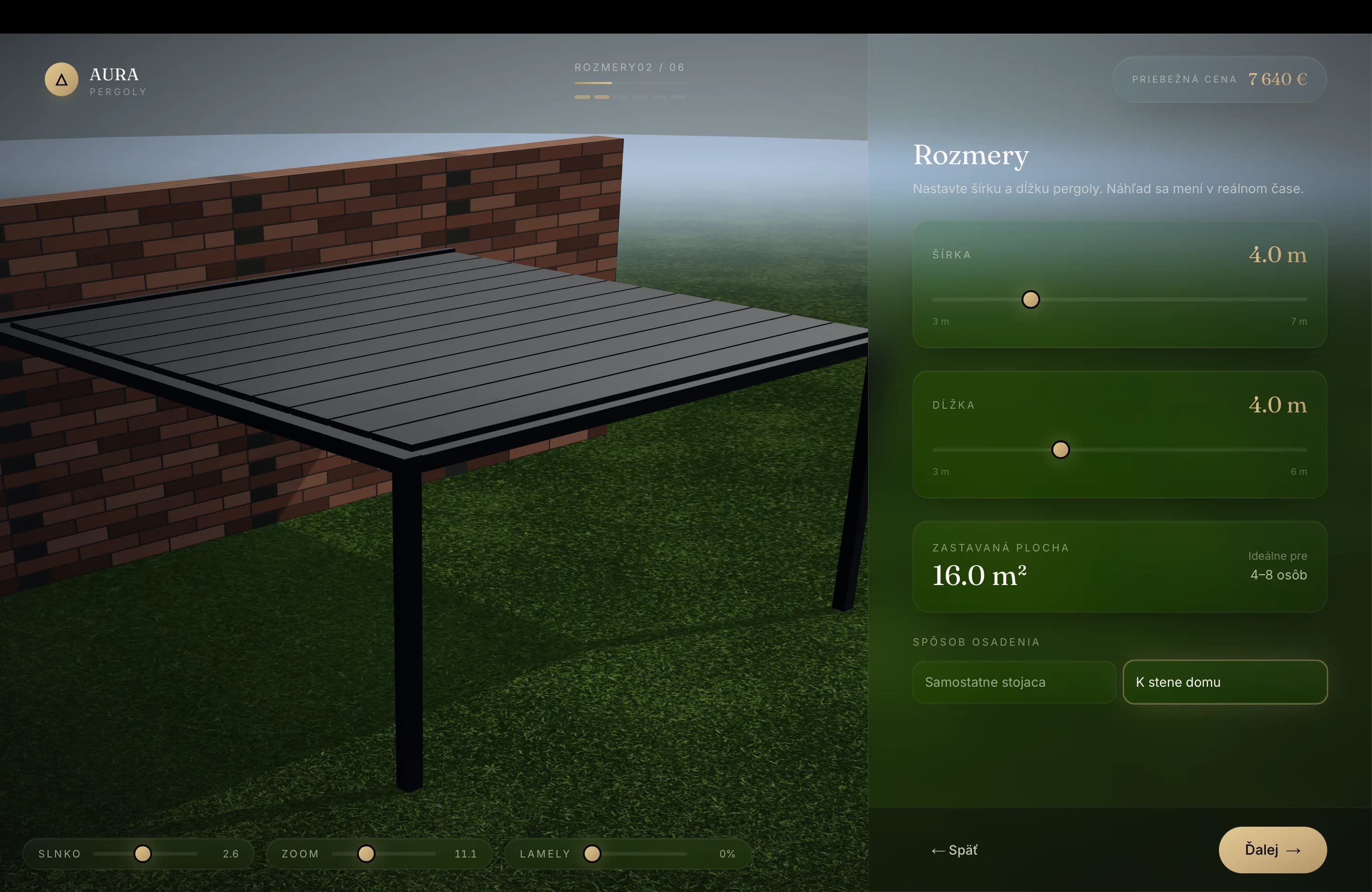
At the same time, the company gets the information it needs to prepare an indicative price or a first sales conversation.
For pergolas, a configurator can also work very well as the destination of an ad campaign.
Instead of the generic “Browse our pergolas”, an ad can communicate a more specific call to action:
“Design your own pergola and get an indicative price.”
An offer like this is clearer and more interactive for the user.
2. Sauna and wellness manufacturers
Saunas often come with a large number of visual and technical options.
Customers can choose:
- the sauna type,
- model,
- dimensions,
- interior material,
- heater model,
- glass,
- exterior finish,
- lighting,
- audio system,
- other add-ons.
A configurator can explain the difference between the options and help customers form a basic idea.
Instead of a long catalogue, they see a logical process.
First they choose the sauna type, then the material, the technical equipment and the add-ons.
Each option can come with a short explanation, a photo or a change in the visualization.
For the manufacturer, the main advantage is that the inquiry already contains the customer’s specific preferences.
So the salesperson doesn’t have to start the conversation from scratch.
3. Fireplace retailers and manufacturers
A fireplace is a product customers often choose based on both appearance and technical parameters.
They can choose:
- the fireplace type,
- the insert type,
- the opening mechanism,
- the surround material,
- colour,
- shape,
- glass orientation,
- heat-storage elements,
- add-ons.
On a classic website, customers can get lost among countless products and technical terms.
A configurator can simplify this choice.
Instead of browsing dozens of separate pages, the customer goes through a series of clear steps.
The configurator can also point out that certain combinations aren’t available or suitable for a particular type of room.
If the product is visually attractive, a 3D version can make it much easier to understand.
Users can watch changes to the material, shape and glass directly on the fireplace model.
4. Kitchen and interior design studios
Kitchens, fitted wardrobes and custom furniture are naturally configurable products.
Customers can choose:
- the type of unit,
- room dimensions,
- style,
- colour,
- worktop,
- handles,
- interior fittings,
- appliances,
- add-ons.
A fully accurate kitchen design often requires measurements and a professional consultation.
That doesn’t mean a configurator is pointless, though.
It can serve as the first step.
The customer sets a visual direction, chooses preferred materials and sends the basic dimensions.
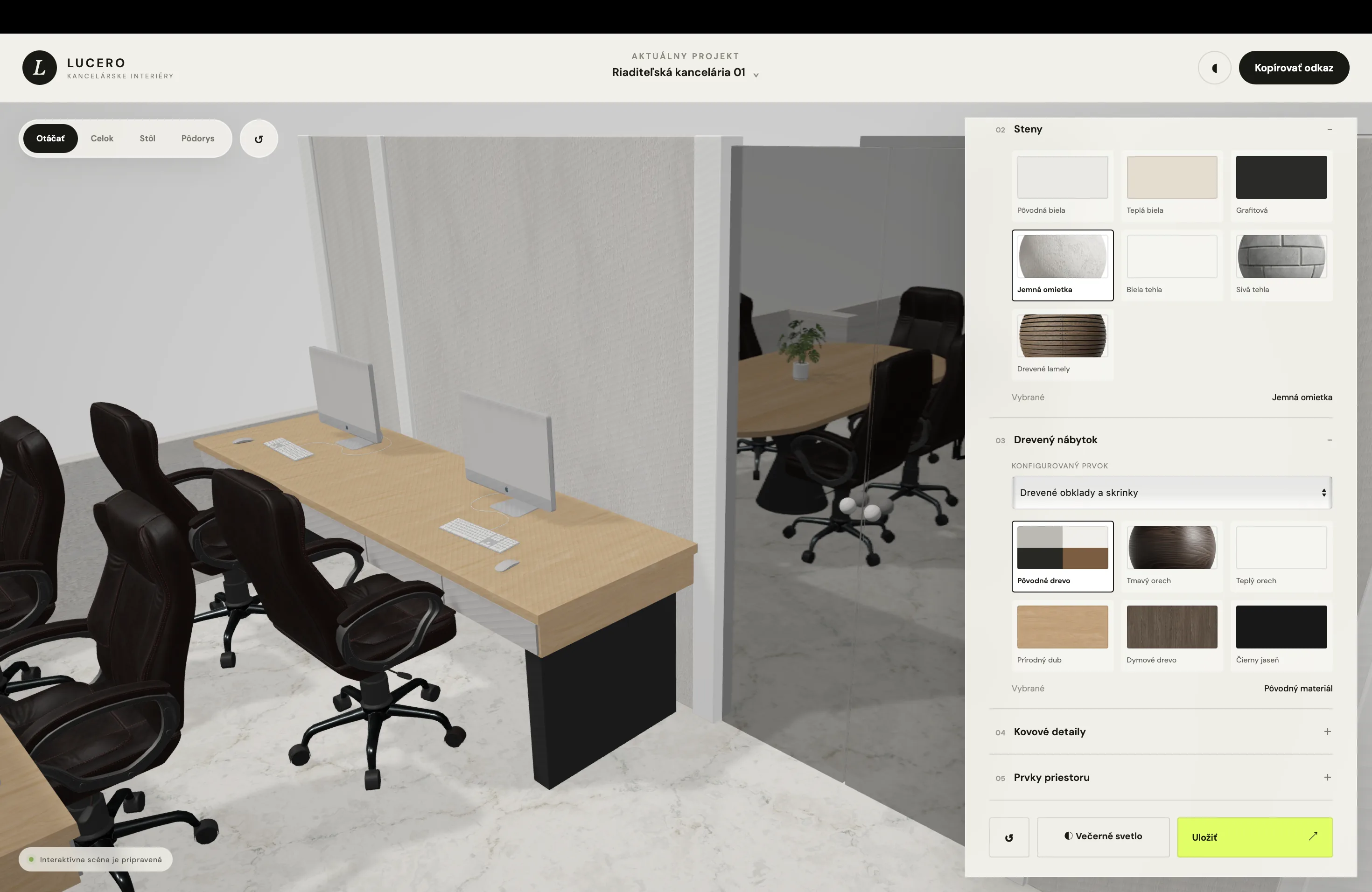
The interior studio then receives a better-prepared inquiry.
A configurator can also help separate customers who are just looking for inspiration from those who already have a concrete plan.
5. Window, door and shading manufacturers
Windows and doors have a large number of technical and visual parameters.
Users can choose:
- the product type,
- dimensions,
- frame material,
- colour,
- glass type,
- opening style,
- hardware,
- security level,
- shading,
- installation.
Without guidance, this kind of choice can be too complicated for an ordinary customer.
A configurator can break the options down into clear steps.
It’s important not to rely on technical terms alone.
Every technical option should come with a short explanation or a visual example.
A configurator can also provide a preliminary price based on dimensions and selected components.
The exact price may only be confirmed after measuring, but the customer at least gets an indicative range.
6. Solar PV companies
Photovoltaic systems aren’t a classic visual product, but a configurator can help a lot with preliminary pricing.
Users can enter:
- the property type,
- approximate electricity consumption,
- roof type,
- roof orientation,
- location,
- number of occupants,
- whether they want a battery,
- EV charging,
- their planned budget.
Based on the answers, the configurator can recommend an indicative system size or a suitable package.
A tool like this doesn’t have to replace a professional design.
Its job is to help customers understand roughly what they need and to prepare the company for the first contact.
At the same time, the company receives inquiries with information it would otherwise have to gather by phone.
7. Pool, hot tub and garden product retailers
Pools, hot tubs, gazebos, garden sheds and similar products often consist of several optional parts.
Customers can choose:
- size,
- shape,
- material,
- colour,
- cover,
- lighting,
- filtration,
- heating,
- steps,
- add-ons.
For these products, the final look plays a big role.
A configurator can show users how the product changes with each option.
It can also calculate an indicative price.
This is especially useful for products whose base price changes significantly with dimensions and add-ons.
8. Modular home and garden building manufacturers
Modular homes, mobile homes, cabins and garden offices can come in several layouts and specification levels.
A configurator can let customers choose:
- the base model,
- size,
- layout,
- facade,
- roof,
- windows,
- interior standard,
- technical equipment,
- terrace,
- add-ons.
Customers can create their own variant before the consultation.
The company gets a better picture of what the customer expects and roughly what budget may be needed.
For this type of product, a configurator can be a very strong sales element because it combines emotion, visualization and practical choices.
9. Real estate developments
With real estate projects, it isn’t always about a classic product configurator.
A similar logic can, however, be used for choosing a property.
Users can go through:
- choosing a building,
- choosing a floor,
- choosing an apartment,
- the number of rooms,
- orientation,
- floor area,
- price,
- availability,
- the specification standard.
A more advanced system can also include configuration of the interior standard.
Buyers can choose flooring, tiles, doors and other elements.
A tool like this greatly improves the presentation of the project.
Instead of browsing a static table, users explore the entire offer visually.
At the same time, the sales team sees which apartments and configurations attract the most interest.
10. Vehicle and technical product retailers
Configurators are also common for products with lots of equipment options.
These can include:
- vehicles,
- work machinery,
- bicycles,
- technical equipment,
- production lines,
- industrial components.
Users can change:
- the model,
- performance,
- equipment,
- colour,
- accessories,
- technical modules,
- the service package.
For B2B products, the goal doesn’t have to be an immediate purchase.
A configurator can create a technically precise inquiry that the salesperson then processes further.
A big advantage is that customers only see compatible options.
The system won’t let them build a combination the company can’t manufacture or deliver.
11. Construction and contracting companies
A configurator doesn’t have to be meant for a physical product only.
It can also be used for a preliminary choice of a service.
A construction company can guide the customer through:
- the type of building,
- the project size,
- the scope of work,
- the material standard,
- location,
- the desired timeline,
- additional services.
At the end, the customer can get an indicative price range or send a more detailed inquiry.
A configurator like this won’t replace an individual estimate.
But it helps estimate the project scope and prepare a better first contact.
12. Agencies and companies offering service packages
A configurator can also work for digital and professional services.
Users can choose:
- the type of website,
- the number of subpages,
- custom design,
- copywriting,
- photography,
- animations,
- language versions,
- content management,
- marketing,
- maintenance.
Based on the selection, the system can create an indicative project scope or price.
A tool like this can help clients understand what the service consists of.
It also reduces situations where a client expects a complex solution for the price of a simple website.
How to tell whether a configurator is right for your company
A configurator may make sense if you answer yes to several of the following questions.
Does your product come in several variants?
If customers choose a model, colour, material, dimensions or add-ons, a configurator can make the choice much easier.
Does the price change based on the selection?
If the final price depends on several parameters, a configurator can provide an indicative or exact calculation.
Do you ask every customer the same questions?
If your sales team keeps gathering the same details, a configurator can collect them automatically.
Do customers struggle to picture the result?
If appearance strongly influences the decision, a visual or 3D configurator can be very useful.
Do you get a lot of low-quality inquiries?
A configurator can help qualify customers before they send their contact details.
Do you want to improve ad performance?
An interactive tool can be a more attractive campaign destination than a standard product page.
Do you need to stand out from competitors?
If your competitors only use catalogues and forms, a configurator can create a much more modern user experience.
When a configurator may not be the right solution
A configurator isn’t automatically right for every company.
It may not make sense if:
- you offer only one simple service,
- the product has no variants,
- customers don’t need help choosing,
- the exact price can’t be estimated without an on-site visit,
- the website gets very little traffic,
- the sales process works without repeated questions,
- the configurator wouldn’t bring the customer any new value.
Even for a custom product, a simple step-by-step form may be a better solution than a complex 3D application.
The goal isn’t to build the most complicated system.
The goal is to make decisions easier for the customer and inquiries easier to handle for the company.
A simple or a 3D configurator
Not every company needs a 3D model.
In some cases, a step-by-step configurator based on images and clear questions is perfectly sufficient.
It’s especially suitable when:
- the visual result isn’t decisive,
- the product has simple options,
- the main goal is collecting information,
- the company wants a faster and more affordable solution.
A 3D configurator matters more when:
- the product’s appearance strongly influences the decision,
- users need to see combinations,
- the product is visually attractive,
- individual parts of the model change,
- the company sells a more expensive solution,
- product presentation is an important competitive advantage.
The decision should be based on what customers need, not just on what seems most technologically interesting.
How to get started
The first step shouldn’t be sketching a design or building a 3D model.
First, you need to map out the product logic.
The company should write down:
- all the main models,
- available options,
- allowed combinations,
- pricing rules,
- technical constraints,
- the information the salesperson needs,
- the expected outcome of the configuration.
After that, you can determine which steps actually matter to the customer.
The first version doesn’t have to include everything.
It’s often better to start with one main product and the most important options.
After launch, you can watch how people use the configurator and which features are worth adding.
Conclusion
An online configurator makes the most sense for companies that offer a variable product or service and need several specific details from the customer.
It can help manufacturers of pergolas, saunas, fireplaces, kitchens, windows, pools, modular homes and solar systems, as well as real estate projects.
It can equally be used for construction, technical and digital services.
It delivers the most value where customers need help choosing and the company repeatedly handles the same type of inquiry.
A good configurator isn’t just a visual extra.
It’s a tool that brings product presentation, customer qualification and the sales process together into one clear journey.
Not sure whether a configurator makes sense for your product?
At Lucero, we design simple product configurators as well as advanced 3D configurators for companies that want more specific inquiries and an easier choice for their customers.
Together we’ll map out your product, its options, the pricing logic and the entire process from the first click to the submitted inquiry.
Write to us and tell us about the product you’d like to turn into a configurator.
Keep reading
More articles
Why a beautiful website isn’t enough if users don’t know what to do next
Why attractive design falls short without a clear offer, navigation, calls to action, mobile usability, speed and a logical user journey.
Read article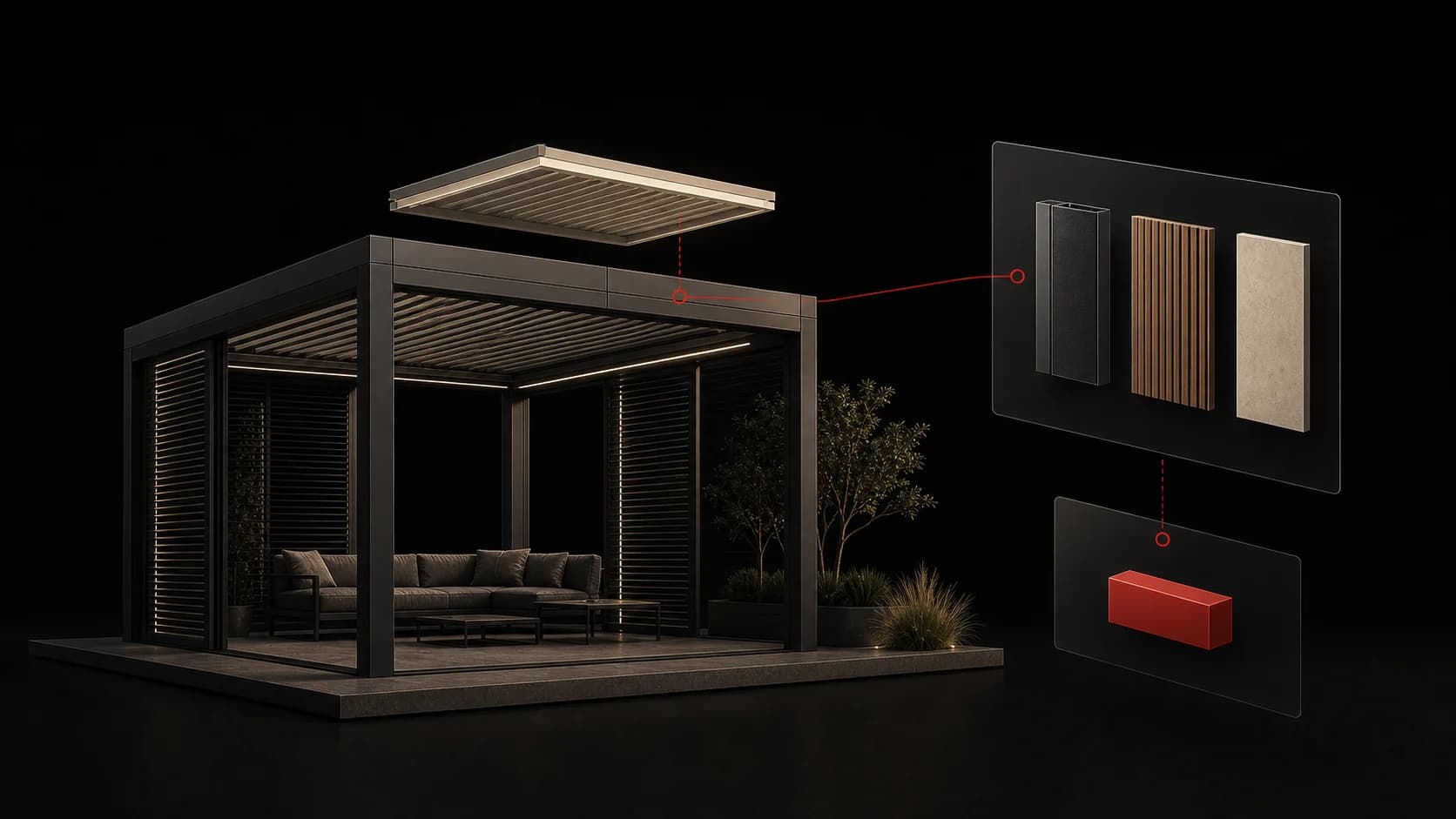
Why a product configurator improves the quality of inquiries
How a configurator helps customers understand the product and brings more specific, higher-quality inquiries for the sales team and the whole sales process.
Read article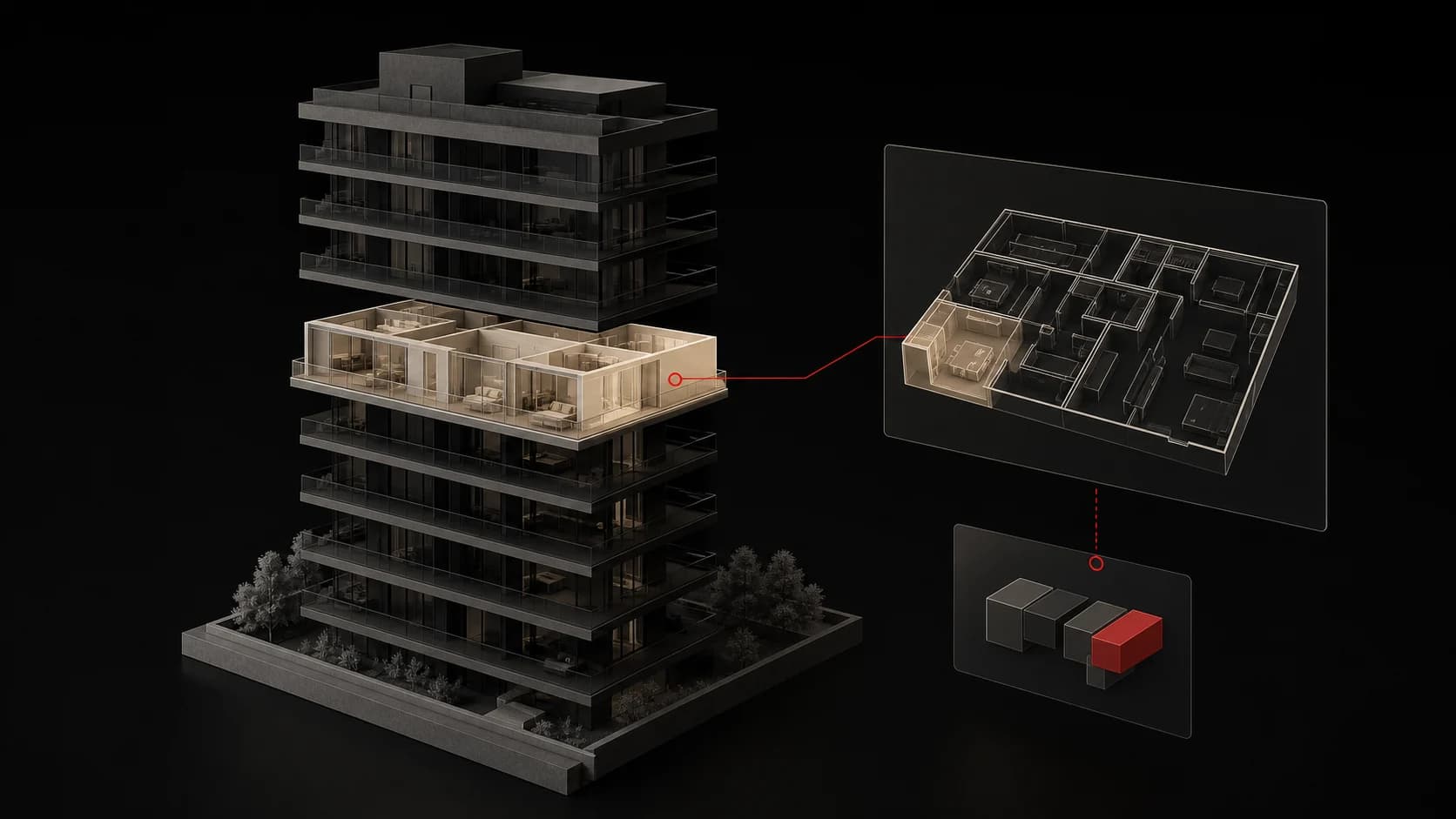
What a modern digital presentation of a real estate project can look like
How to combine premium visuals, interactive apartment selection, live availability and a simple sales process on a modern real estate project website.
Read article